Home / What to leave behind when moving long distance?
What to leave behind when moving long distance?
Get Your Free Estimate
"*" indicates required fields
One of the most challenging aspects is deciding what to take with you and what to leave behind. This decision is crucial, as it impacts the cost and ease of your move. Keeping unnecessary items can lead to higher moving expenses and clutter in your new home. Whether you are a college student starting a new chapter or a retiree downsizing for a simpler lifestyle, Canada to US movers can help you decide what to keep.
What not to keep when moving away for college
When moving long distance for college, it’s important for students to prioritize essentials and leave behind non-critical items. Dorm rooms and shared apartments often have limited space, so maximizing efficiency is key. Here are some items that college students should consider leaving behind:
Excessive Clothing: Bring only seasonal clothing and versatile pieces. Leave formal wear and off-season items at home.
Bulky Furniture: Most dorms are furnished. Avoid bringing large items like desks, beds, or dressers. Opt for compact, multipurpose furniture if necessary.
Kitchen Appliances: Dorms typically provide basic kitchen amenities. Leave large appliances like microwaves, toasters, and blenders. Stick to small, essential items like a coffee maker if needed.
Books and DVDs: Limit your collection to necessary textbooks and a few favorite leisure reads. Most universities have extensive libraries and digital resources.
Decorative Items: Avoid bringing excessive decor. Focus on a few meaningful items to personalize your space without cluttering it.
Duplicate Items: Coordinate with roommates to avoid bringing duplicates of shared items like cookware, cleaning supplies, and electronics.
High School Memorabilia: Leave trophies, yearbooks, and other high school mementos at home. College is a new chapter, and it’s best to keep your living space uncluttered and focused on your current life.
What to leave behind when moving: Kitchen items
When moving long distance, it’s important to be selective about the kitchen items you take with you. Start by leaving behind large, bulky appliances like mixers, blenders, and food processors. These items are often heavy and take up a lot of space. Consider selling them or giving them away to avoid the hassle and expense of transporting them. Leave behind duplicate items such as extra sets of pots, pans, and baking dishes.
Keep only the essentials you use regularly. Discard old, worn-out utensils and cookware that you can easily replace at your new location. Also, leave behind perishable food items and opened condiments. These can spoil during the move and add unnecessary weight. Instead, donate unopened, non-perishable food to local food banks. Consider the space and storage options in your new kitchen.
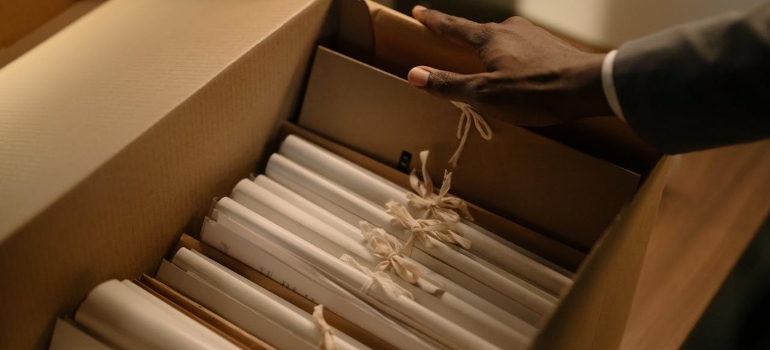
Carefully decide whether to keep certain sentimental items.
What not to move into a retirement home
Moving into a retirement home is a significant life change that often involves downsizing. The best movers in Sudbury recommend you leave behind these items:
Large Furniture: Most retirement homes provide essential furniture. Leave behind oversized pieces like large sofas, dining tables, and bulky cabinets. Opt for smaller, more manageable pieces if you need to bring any.
Excessive Kitchenware: With likely fewer guests and simpler meals, extensive kitchen equipment is unnecessary. Keep only the essentials and leave behind duplicate utensils, gadgets, and large cookware.
Outdated Technology: Leave behind old electronics like bulky desktop computers, outdated televisions, and unused gadgets. Simplify your tech setup with modern, multifunctional devices.
Gardening Tools: If your new home doesn’t have a garden, leave behind heavy gardening equipment and tools. If you still enjoy gardening, consider bringing a few small, manageable tools.
Seasonal and Specialized Items: Items like holiday decorations and specialized hobby equipment (e.g., skiing gear, large craft supplies) can take up unnecessary space. Bring only what you actively use and enjoy.
Clothing: Keep a simplified wardrobe that suits your current lifestyle. Leave behind formal wear, out-of-season clothes, and rarely worn items.
Collections and Memorabilia: Large collections of books, antiques, or memorabilia can clutter your new space. Keep a few treasured items and consider donating or passing down the rest to family members.
Tools and DIY Equipment: With less need for home repairs or renovations, leave behind extensive toolkits and DIY equipment.
Don’t bring bulky furniture when moving long distance
When moving long distance, it’s practical to leave behind bulky and heavy furniture. Start by assessing the size and layout of your new home. Leave behind oversized items like large sofas, sectional couches, and heavy dining tables if they won’t fit well. Consider the condition of your furniture. Leave behind worn-out or damaged pieces that aren’t worth the cost of moving.
It’s often cheaper to replace inexpensive furniture than to move it. Packers and movers from Sudbury recommend you leave behind items that serve no functional purpose in your new home, such as extra chairs, side tables, and decorative pieces. Consider the style of your new home. If your current furniture doesn’t match the aesthetic, leave it behind and invest in pieces that better suit your new space.
Carefully pack items you wish to keep.
Help your kids decide what to leave behind
Moving long distance can be challenging for kids, especially when it comes to deciding what to leave behind. Start by involving them in the process early. Explain the move and encourage them to think about what they truly need and use. Go through their belongings together, starting with toys. So, encourage them to keep their favorites and leave behind items they’ve outgrown or no longer play with.
In addition, apply the same process to their clothes. Furthermore, ask them to sort through and pick out clothes that fit and are suitable for the new climate. For school supplies and books, also keep the essentials and donate or recycle the rest. So, make it fun by turning it into a game or challenge, rewarding them for making tough decisions. Be supportive and patient, acknowledging their feelings about parting with certain items.
What to do with items you and your kids don’t need anymore
Once you and your kids have decided what to leave behind, it’s time to determine what to do with these items. For items in good condition, consider donating to local charities, schools, or community centers. This can include clothes, toys, books, and school supplies. Involve your kids in choosing where to donate, teaching them the value of giving. Items that are in excellent condition or high value, like certain toys, clothes, or electronics, can be sold.
Recycle items that cannot be donated or sold, such as worn-out clothes, broken toys, or old papers. Check your local recycling guidelines to ensure proper disposal. Lastly, responsibly dispose of items that cannot be donated, sold, or recycled. Organize a special trash pickup if necessary. Involve your kids in each step, teaching them about sustainability and responsible disposal.
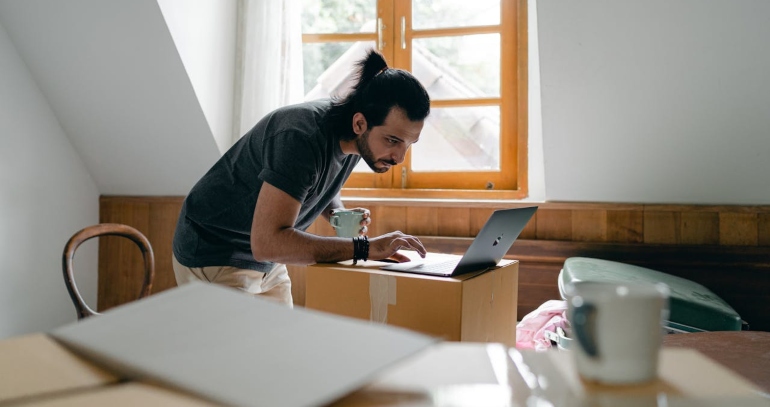
Take a good look at each item and decide whether to move it or not.
What to leave behind when moving: Final thoughts
Every relocation requires careful planning and thoughtful decisions about what to bring and what to leave behind when moving. By hiring furniture movers in Sudbury and making practical choices, you can ensure a smooth and efficient move. Focus on essentials, streamline belongings, and embrace the fresh start that comes with a new home.
Hired to move my parents. Asked for 2 movers (3 showed up!) and all were friendly, polite, and incredibly hard working. Very careful with fragile items and more then competent with big, heavy furniture.