 705-560-2000
How to move a home gym in Sudbury without damaging your equipment
Get Your Free Estimate
"*" indicates required fields
Did you know the heaviest dumbbell ever lifted was a staggering 375 pounds? While your home gym might not include record-breaking weights, moving it still requires serious effort. The best movers in Sudbury recommend treating gym equipment like a puzzle—each piece needs the right handling to arrive in perfect shape. If you don’t plan ahead, a treadmill could crack, weights might shift dangerously, and cables could snap. When you move a home gym in Sudbury, knowing how to pack, lift, and secure everything makes a difference. A careless move can leave you with broken machines and expensive repairs. With the right techniques, you can relocate your entire gym without a single scratch—and get back to your workouts as soon as you settle in.
Take inventory of your gym equipment
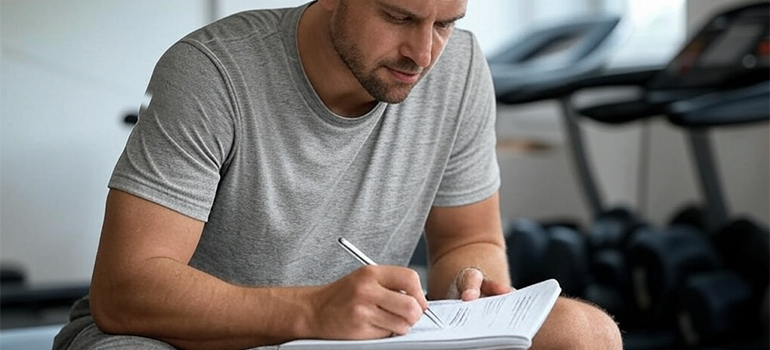
List everything in your home gym, from large machines to small accessories. This will hep you track what you own and ensure misplace nothing. Residential movers in Sudbury ON advise categorizing items based on weight, fragility, and ease of disassembly. Knowing which machines need extra care allows you to pack and transport them properly. If you have older equipment that’s worn out, consider whether it’s worth moving or if replacing it would be more practical.
How to categorize and prioritize items for an efficient move
Start by grouping your gym equipment based on size, weight, and fragility. Cardio machines like treadmills and ellipticals need special handling due to their electronic components. Free weights, dumbbells, and kettlebells should be separated by weight to ensure balanced packing. Resistance bands, yoga mats, and smaller accessories should be placed in clearly labeled bins to avoid misplacement. If you own multifunctional gym machines, check which attachments can be removed to make transport easier. Prioritizing equipment that requires special care or delicate reassembly ensures that nothing gets overlooked.
Clean and sanitize everything
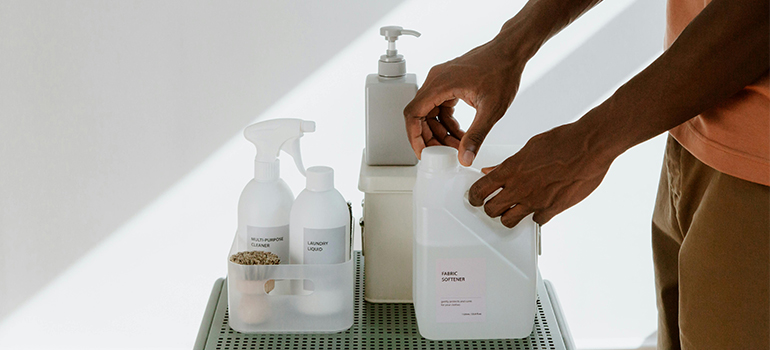
Gym equipment collects sweat, dust, and bacteria, which can lead to long-term damage. Before packing, wipe down machines, weights, and mats with disinfectant. Local movers in Sudbury suggest using non-abrasive cleaners that won’t corrode metal parts or damage screens. For treadmills and ellipticals, clean the belt and moving parts to prevent dirt buildup during transport. Foam handles on dumbbells and resistance bands should be wiped with an antibacterial solution to keep your gym fresh in its new space.
The best cleaning products to use for different gym equipment
Using the right cleaning products prevents damage to your gym equipment during transport. Antibacterial wipes work well for dumbbells, kettlebells, and weight plates, as they remove sweat and bacteria without leaving residue. For machines with digital screens, a microfiber cloth with a mild screen-safe cleaner prevents streaking and damage. Avoid harsh chemicals like bleach on foam handles and rubber grips, as they can degrade the material. Gym mats should be vacuumed and wiped with a non-abrasive cleaner to remove dust and sweat. Proper cleaning keeps your equipment in good condition and prevents dirt from transferring to other items during the move.
Disassemble large equipment
Treadmills, weight benches, and power racks take up too much space if left assembled. Taking them apart makes transport easier and reduces the risk of damage. Long distance movers in Sudbury ON highlight the importance of storing screws and small parts in labeled bags to avoid losing them. Detach consoles, pedals, and adjustable pieces, wrapping them in padding for extra protection. Folding treadmills should be secured in the locked position to prevent movement inside the truck.
Step-by-step guide to taking apart treadmills, benches, and racks
Start by unplugging electronic machines and removing batteries to avoid damage. For treadmills, fold the base and secure it with straps. If the machine doesn’t fold, remove the console and any detachable arms. Weight benches with adjustable settings should be locked in place before transport, and any removable padding should be wrapped separately. Power racks should be taken apart by removing J-hooks, safety bars, and pull-up attachments. Always store screws and bolts in labeled plastic bags to avoid losing them. Wrapping each section in padding prevents scratches and makes reassembly easier at your new location.
Secure loose weights and accessories
Loose dumbbells, kettlebells, and weight plates can shift during transit, causing damage to other items. Pack them in sturdy plastic bins or wrap them in towels to prevent movement. International movers in Sudbury ON recommend distributing weight evenly across multiple smaller boxes rather than overloading a single container. Barbell plates should be stacked and strapped together to keep them from rolling inside the moving truck. Medicine balls and resistance bands should be stored separately to avoid compression damage.
Best packing methods to prevent shifting and damage
Heavy gym equipment can become dangerous if it shifts during transport. Free weights and dumbbells should be packed in small, sturdy plastic bins rather than large boxes to prevent excessive weight in one container. Barbells should be wrapped in moving blankets and secured with straps to prevent rolling. Weight plates should be stacked and strapped together with bungee cords or heavy-duty tape. For accessories like resistance bands and jump ropes, use resealable plastic bags to keep them from tangling. Ensuring a tight, organized packing method prevents unnecessary damage to both your gym gear and other belongings.
Wrap cardio machines and fragile parts
Ellipticals, stationary bikes, and rowing machines have delicate screens, cables, and moving parts that can easily break. Wrap screens in bubble wrap and secure cords with zip ties to prevent tangling. Packers and movers in Sudbury emphasize using thick moving blankets to protect machines from scratches and dents. If possible, remove the handlebars and pedals, packing them separately for added safety. Lock wheels on stationary bikes to keep them from shifting during transport.
How to protect screens, cables, and moving parts from breakage
Cardio machines often have delicate screens, buttons, and wiring that can be easily damaged if not protected properly. Screens should be covered with bubble wrap or a thick foam sheet before securing them with tape. Power cords and cables should be bundled and wrapped with zip ties and then taped to the machine to prevent them from getting caught or crushed. Remove moving parts like pedals and handlebars if possible and pack them separately. Cover the entire machine with a moving blanket and secure it with stretch wrap to minimize impact damage. These steps will keep your cardio equipment safe and functional after the move.
Use proper lifting techniques
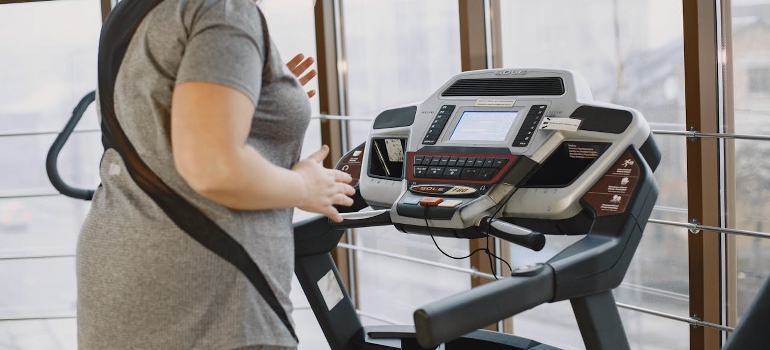
Home gym equipment is heavy, and lifting it incorrectly can cause serious injuries. Use your legs, not your back, when picking up weights or machines. Furniture movers in Sudbury suggest using lifting straps and dollies for heavy equipment to distribute weight evenly. If an item is too large to move alone, get help from a second person or use a furniture slider to prevent straining muscles. Avoid twisting your body while lifting, as this increases the risk of injury.
Essential lifting gear and techniques to prevent injuries
Lifting heavy gym equipment incorrectly can cause serious back or joint injuries. Always lift with your legs, not your back, and keep your core engaged. When carrying dumbbells or weight plates, hold them close to your body to prevent strain. Lifting straps and gloves can improve grip and reduce the risk of dropping equipment. For machines and larger weights, using a dolly or furniture sliders reduces stress on your body and prevents floor damage. If an item is too heavy to lift alone, use team lifting techniques by coordinating movements with a partner to prevent sudden weight shifts.
Rent a moving truck with a ramp
A truck with a loading ramp helps you move a home gym in Sudbury more easily and safely. Carrying heavy machines up and down steps can be risky, but a ramp allows for smoother loading. Storage services in Sudbury can also be useful if your new home isn’t ready right away. When choosing a truck, factor in the total weight of your gym gear and make sure there’s enough space for secure transport.
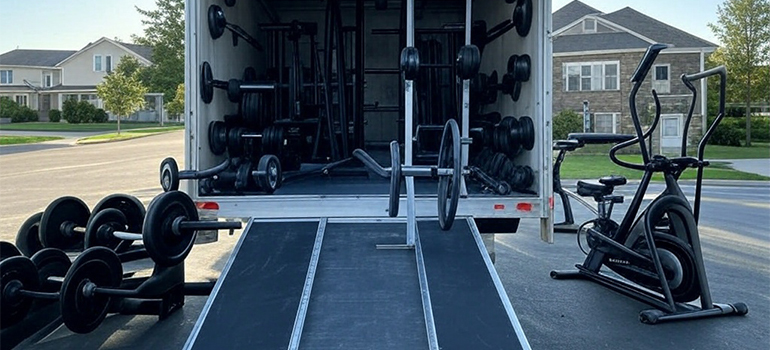
What truck size works best for different types of gym equipment?
Choosing the right truck size prevents overcrowding and makes loading easier. A 10-foot truck is usually enough for small home gyms with a treadmill, weights, and a few benches. A 15- or 20-foot truck is better if you have larger machines like power racks, rowing machines, or a full set of weights. If you own commercial-style gym equipment, a 26-foot truck provides enough space to secure everything properly. A truck with a loading ramp is essential for heavy items, as it reduces the risk of injury and makes moving treadmills and weight racks more manageable.
Secure everything inside the truck
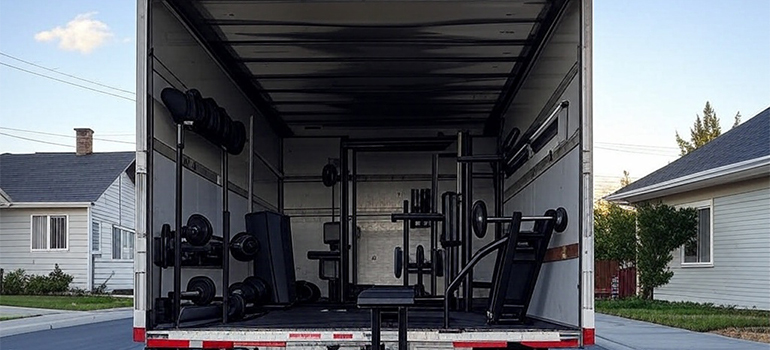
Once you load everything, secure your gym equipment properly to prevent movement during transit. Strap machines to the truck’s walls and free weights against a stable surface. Using rubber padding under heavy items can minimize shifting. When you move a home gym in Sudbury, taking extra time to secure everything properly will prevent damage and make unloading easier.
How to strap down heavy equipment for maximum stability
Once inside the truck, securing gym equipment properly prevents movement during transit. Heavier machines should be placed against the truck’s walls and strapped with ratchet straps to prevent shifting. Free weights should be positioned low to the ground and wedged between stable items to minimize movement. Avoid stacking weight plates on top of lighter items, as they can cause crushing damage. Using rubber mats or non-slip padding under machines can prevent sliding. Before driving, check that all straps are tightened, and nothing is loose, ensuring everything stays in place throughout the move.
Unload and reassemble in your new space
Once at your destination, place all equipment in its designated spot before assembling. Start with larger machines and ensure they are level before attaching smaller parts. Move a home gym in Sudbury carefully by checking for missing bolts or screws before using any equipment. If something feels unstable, refer to the manufacturer’s instructions to reassemble it correctly. Taking the time to do it right ensures your gym is ready for use immediately.
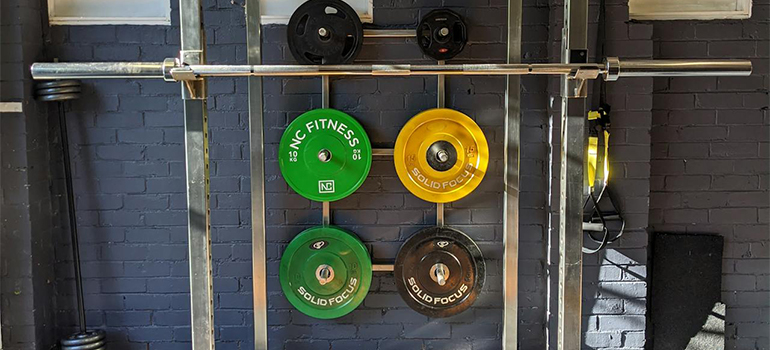
Common mistakes to avoid when setting up your home gym
Placing gym equipment in the wrong spot can lead to frustration and unnecessary rearranging. Before unloading, measure doorways and hallways to ensure large machines can fit through. Avoid placing cardio equipment too close to walls, as they need clearance for proper ventilation. Position weight racks on a stable surface to prevent tipping. Reassemble machines carefully, following manufacturer guidelines to ensure proper alignment. Check for missing bolts or loose screws before using any equipment. Testing each machine after setup helps catch small issues before they become bigger problems.
Test equipment before use
Before resuming workouts, check that every machine and accessory is functioning correctly. Inspect pulleys, hinges, and treadmill belts for misalignment. Move a home gym in Sudbury with care by tightening any loose screws and ensuring machines are on a level surface. If an item isn’t working properly, adjusting bolts or recalibrating the settings can fix minor issues. Doing a thorough check now prevents injuries and keeps your gym running smoothly.
How to check for damage and ensure proper functionality
Before starting a workout, inspect all gym equipment for signs of damage. Check treadmill belts for proper alignment and ensure they move smoothly without slipping. Inspect cables on weight machines for fraying or tension issues. Tighten bolts and screws should be to prevent instability. If a machine has electronic components, plug it in and test all functions before use. Inspect free weights for cracks or chips that could compromise safety. Taking the time to test everything prevents injuries and ensures your gym is ready for use immediately.
A seamless way to move a home gym in Sudbury
Ever heard of Milo of Croton, the ancient wrestler who carried a bull on his shoulders to build strength? Moving a home gym might not be that extreme, but it still demands careful planning. Move a home gym in Sudbury the right way by securing weights, protecting machines, and using proper lifting techniques. Rushing the process can lead to damaged equipment, costly repairs, or even injuries. With a well-thought-out approach, your gym will be ready to use the moment you step into your new space. Take the time to do it right, and you’ll be back to lifting, running, and training without missing a beat.


Hired to move my parents. Asked for 2 movers (3 showed up!) and all were friendly, polite, and incredibly hard working. Very careful with fragile items and more then competent with big, heavy furniture.
f Hongell