 705-560-2000
Moving with a dog made easy
Get Your Free Estimate
"*" indicates required fields
Thinking about moving with a dog? You’re not alone. Pet parents across Canada are hitting the road with their pups and figuring out how to do it without added stress. The good news? It’s completely doable with the right approach. The best movers in Sudbury say preparation makes all the difference when you’ve got a dog in tow. From vet visits to re-establishing routines in your new place, each step matters. Dogs thrive on consistency, but that doesn’t mean they can’t handle a big change. With some planning and patience, you can help your pup feel safe and secure throughout the entire process. Let’s break down exactly what to do before, during, and after your move so you and your dog land on your feet — or paws — in your new home.
Why a pre-move vet visit matters
Before you box up the first collar or kibble bag, schedule a check-up with your vet. Residential movers in Sudbury ON often see pet owners scramble at the last minute when their dogs need medical help mid-move. A simple vet appointment costs around $80 to $150 in most provinces, but it can save you hundreds later if a problem goes unnoticed. You’ll want to ensure your dog is in good health for travel, especially if you’re driving more than six hours or flying. Ask your vet to refill prescriptions early. Many clinics require 24 to 48 hours to process medications like anti-anxiety pills or sedatives, which cost anywhere from $30 to $60 per refill.
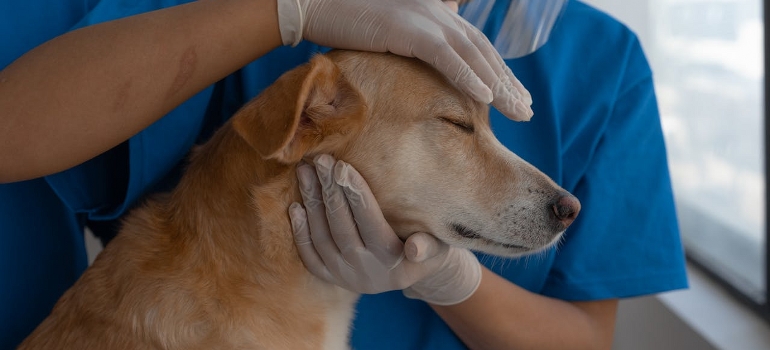
If you’re moving to a different province, request a printout or digital copy of all medical records. Some clinics even charge a $10–$20 admin fee for this, so don’t leave it to the last day. Vaccinations should also be updated, particularly rabies and bordetella, which might be required in your new area. If your dog hasn’t been microchipped yet, expect to pay around $60 to $90. It’s a small cost for long-term peace of mind. A vet visit isn’t just about health—it’s about preparation.
Why updating ID tags and microchips is urgent when moving with a dog
Losing a dog is every pet owner’s nightmare, especially during the chaos of moving day. Local movers in Sudbury often advise clients moving with a dog to secure all exits, but accidents still happen. That’s why your dog’s identification details must be current. An updated ID tag costs under $20 at most pet stores or online platforms. If your dog already has a microchip, contact the chip registry to change your address and phone number—this is usually free or may carry a one-time fee of around $25, depending on the provider. Dogs that escape during a move are harder to recover without current contact details, especially if you’re crossing city or provincial lines.
Some shelters in Ontario report a 30–40% delay in pet reunification due to outdated microchip info. Consider using a GPS tracker on your dog’s collar during the move, especially if you’re stopping overnight. These start at around $50 and provide real-time location data through a mobile app. When everything feels unpredictable, a tag and chip update is one of the easiest things to control—and it could be what gets your dog back if something goes wrong.
How to pack a solid dog essentials bag
Your dog needs a go-bag just like you do. Long distance movers in Sudbury ON say it’s one of the most overlooked steps when moving with a dog. In a pinch, you’ll want immediate access to food, water, and anything that keeps your dog comfortable. Pack at least three days’ worth of kibble, and don’t forget a collapsible bowl—those cost around $10 and save space. Bring all current medications, preferably in clearly labeled containers. Add a leash, extra poop bags, a couple of toys, a towel, and familiar items that smell like home. That scent can help calm your dog in a new space. A blanket or small bed is a must.

If you’re moving in winter, include dog boots and a coat—those extra layers are crucial for northern Ontario, where January temps often drop below –20°C. Store everything in a waterproof duffel bag or sturdy backpack. If you’re driving, keep it in the backseat for easy access. If you’re flying, place the most essential items in your carry-on in case of delays or lost luggage. This bag is your lifeline if anything unexpected happens between homes.
How to keep your dog safe during moving chaos
Moving day is noisy, confusing, and full of open doors. International movers in Sudbury ON recommend removing your dog from the environment entirely if possible. Ask a friend, neighbour, or dog daycare to watch your pup for the day. Doggie daycares charge anywhere from $30 to $55 per day in Ontario, depending on the city and facility. It’s a worthy investment to avoid stress and the risk of escape. If you can’t separate your dog from the house, designate a quiet, secure room with the door closed and a “do not open” sign posted.
Add their bed, water, and soft music or white noise to drown out heavy foot traffic and loud furniture movement. Feed them early so their routine stays somewhat intact. Some owners set up a pet camera in the room to check on their dog remotely. If your move spans multiple hours, take scheduled breaks for walks and potty time. Never leave your dog tied up outside while you load the truck—that’s one of the most common times for a dog to get scared and bolt. Simple steps like this make a chaotic day feel more controlled.
What to know about pet-friendly transportation
Every dog travels differently. Some enjoy long car rides. Others get anxious or carsick within 20 minutes. Packers and movers in Sudbury advise testing your dog’s response well before moving day. Start with short practice trips, then gradually build up to longer ones. If you’re driving cross-country, plan your route with pet-friendly rest stops every three to four hours. Budget $150 to $250 for hotel stays at pet-friendly chains—some charge an extra $25 to $75 per night for pets. If you’re flying, check airline policies early. WestJet and Air Canada allow dogs in-cabin for $50 to $100 per flight leg, depending on weight and carrier size.
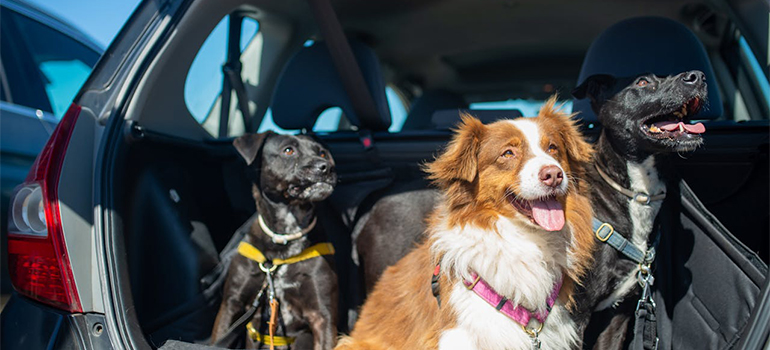
You’ll need a soft-sided carrier that fits under the seat, typically costing $60 to $120. Health certificates and proof of vaccinations may be required at check-in. If your dog is flying in cargo, you’ll pay around $200 to $300 for the flight, plus crate fees. Always label the crate with your name, phone number, and your destination address. No matter how you travel, never sedate your dog unless your vet explicitly recommends it. Sedation can affect breathing and disorientation in transit. Planning ahead makes every mile smoother.
Where to find dog-friendly hotels or rentals
Temporary housing is common when moves get delayed. Canada to US movers recommend having backup lodging lined up just in case. Pet-friendly hotels are your best option for overnight stops. Websites like BringFido or Booking.com let you filter for dog-friendly stays across Canada and the U.S. Most major hotel chains like Best Western, Holiday Inn, and Comfort Inn welcome dogs, but charge pet fees ranging from $20 to $75 per night. Expect stricter rules for multiple dogs or dogs over 50 pounds. If you’re renting instead of buying right away, look for units that explicitly allow pets in the lease.
In Ontario, landlords can’t deny a tenant for having a pet, but they can still make things difficult by using condo bylaws or setting weight restrictions. Always get pet policies in writing. If you’re moving to high-demand markets like Toronto or Vancouver, you may pay a premium of $100–$300 more per month for pet-friendly rentals. Don’t forget to ask about nearby parks and pet services. Finding a safe, welcoming place for your dog to land makes the entire transition smoother.
How to help your dog settle into the new home
The first 72 hours in a new place are crucial. Furniture movers in Sudbury always suggest setting up a dedicated dog area before unpacking everything else. Choose a quiet room with a bed, water, and some toys. That small comfort zone gives your dog a place to decompress. Don’t wash blankets or beds right away—familiar smells help reduce anxiety. Spend extra time at home during the first few days, even if it means adjusting your work schedule. If you must leave, keep trips short and return calmly.

Dogs can become territorial or confused in a new space, especially if other animals lived there before. Consider using baby gates to limit their access until they’re more comfortable. If your new home has a yard, double-check the fence line for gaps or weak spots. Some owners install GPS or smart collars as a safety net, which cost around $100 plus a $10 monthly fee. Give your dog extra praise and treats during this transition—they’re figuring it out just like you are.
Why re-establishing routine helps your dog adjust faster
Routine is your best friend after a move. Dogs need consistency to feel grounded in a new environment. Feed your dog at the same times each day, even if the location is different. Stick to regular walk times, and use the same leash or harness they’re used to. Changes in sleep, eating, or energy levels are normal for the first week or two. If your dog refuses to eat, try warming up food or switching locations. Make time for short play sessions—even 10 minutes can reduce stress levels.
If your dog has crate training, bring the crate back into the mix to provide structure. Avoid overwhelming your dog with too many new sights and smells on day one. Give them time to get used to the new sounds, layout, and energy of the space. Gradually expand their access, starting with one or two rooms. A stable schedule rebuilds their trust and reminds them that, even in a new place, their life still has order.
How to explore your new neighbourhood with your dog
Now that you’ve landed, it’s time to sniff out the area—literally. Check your new neighbourhood’s dog rules before your first walk. Are leash laws strict? Are dogs allowed in local parks or trails? Every town has different bylaws, so it’s smart to know before you go. Start with shorter walks so your dog can acclimate to new smells and sights. Bring extra poop bags and treats for positive reinforcement. You’ll want to identify the nearest 24-hour vet clinic within the first week, just in case.
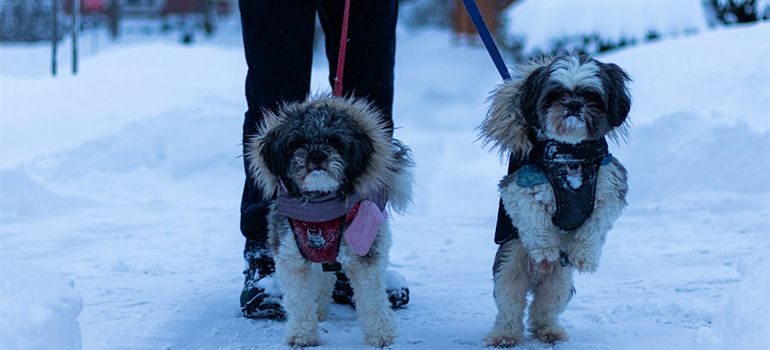
Use Google Maps or local Facebook groups to discover dog parks, grooming spots, and pet stores. In bigger cities like Ottawa or Calgary, you’ll find dozens of dog meetups and off-leash areas. Smaller towns might have fewer options, but still offer hidden gems. Some pet owners choose to carry pepper spray or a loud whistle in areas with frequent wildlife sightings.
What signs of stress to look for after the move
Some dogs bounce back in days. Others need weeks. So, after moving with a dog, watch closely for signs of emotional or physical distress. Common stress signals include pacing, whining, excessive licking, hiding, or destructive chewing. If your dog stops eating for more than two days or shows sudden aggression, call your vet. They might suggest calming supplements or behaviour therapy, ranging from $30 for herbal drops to $100+ per session with a trainer. Thunder shirts, which apply gentle pressure to calm nerves, cost about $50 and work for some dogs. If your dog begins having accidents indoors, it’s likely temporary, but reinforce bathroom routines and avoid punishment. Some dogs also develop separation anxiety in a new space. In that case, begin crate training again or consult a specialist. No two dogs respond the same way. The keys are patience and consistency.


Hired to move my parents. Asked for 2 movers (3 showed up!) and all were friendly, polite, and incredibly hard working. Very careful with fragile items and more then competent with big, heavy furniture.
f Hongell