 705-560-2000
Moving a mining crew in Sudbury: How to relocate workers to remote job sites
Get Your Free Estimate
"*" indicates required fields
Relocating workers to remote mining sites is not a simple process. It requires precise logistical planning, specialized transportation, and careful coordination to keep operations running smoothly. The best movers in Sudbury highlight that mining companies must account for extreme weather, road accessibility, and worker accommodations when planning a large-scale relocation. Mining crews often work in rugged, isolated environments, making transportation and housing a challenge. Companies must also ensure compliance with safety regulations, environmental standards, and worker well-being programs. Moving a mining crew in Sudbury demands a strategic approach that minimizes disruptions and prioritizes efficiency. Understanding the unique challenges of these moves helps businesses prepare for a seamless transition.
Logistical planning and transportation
Getting workers and equipment to remote mining sites requires careful planning. Many locations are only accessible by ice roads, dirt paths, or air transport. Commercial movers in Sudbury recommend using a combination of fly-in fly-out (FIFO) schedules and ground transportation to keep the process efficient. Crews often rotate in shifts, so scheduling flights and chartered buses is essential. Harsh winter conditions can shut down roads for weeks, making alternative travel arrangements necessary.
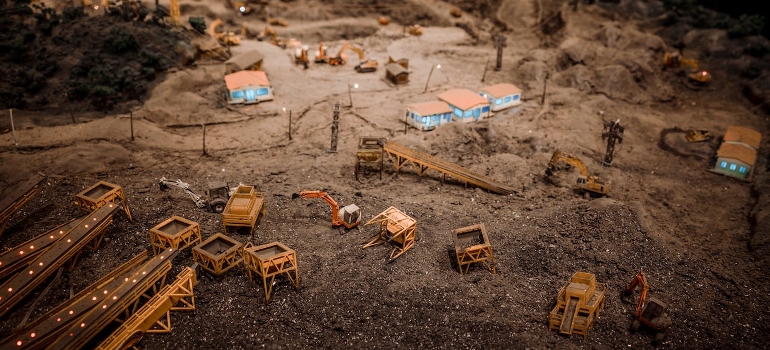
Heavy equipment, such as drilling rigs and mining vehicles, may require specialized flatbed trucks or even helicopter transport. Transport permits are often needed for oversized loads. Coordinating with local authorities ensures smooth passage through regulated routes. Fuel availability is another key consideration, as some mining sites are hours from the nearest gas station. Proper logistical planning prevents costly delays and ensures that workers arrive safely and on time.
Accommodation and living conditions
Mining camps need to provide a comfortable living environment for workers who often spend weeks at a time on-site. Residential movers in Sudbury ON suggest setting up temporary housing that includes dormitories, kitchens, and recreation areas to maintain morale. Some mining companies use modular units that can be transported and assembled quickly. These units must be insulated to withstand cold temperatures, with heating systems and emergency backup power. Reliable food supply chains must be established to ensure crews receive proper nutrition, as many remote locations have limited access to fresh food.
Water filtration systems are also necessary, as natural water sources may not be safe for drinking. Access to the internet and phone services can be limited in these areas, making satellite communication essential for workers to stay in touch with family. Comfortable accommodations improve productivity, reduce turnover, and help workers adapt to remote job site conditions.
Health and safety protocols
Safety is a top priority in the mining industry. Harsh weather conditions, heavy machinery, and underground operations create significant risks. Local movers in Sudbury advise that companies conduct regular safety drills to prepare workers for emergencies such as mine collapses or equipment malfunctions. Proper personal protective equipment (PPE) must be supplied, including hard hats, high-visibility clothing, and respiratory masks for dust-heavy environments. Training programs should be mandatory for all new employees to educate them on hazard identification and risk management.
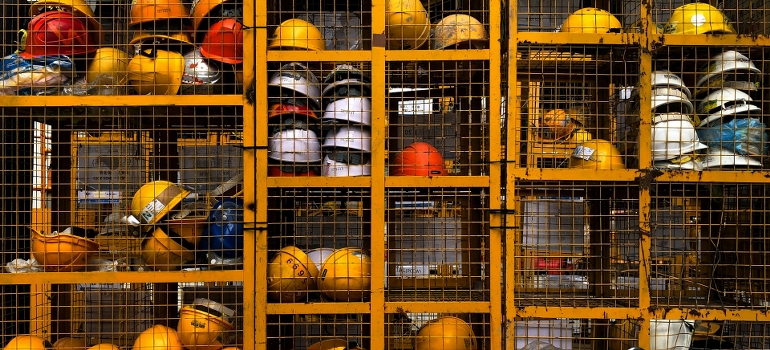
Cold stress is a serious issue in Northern Ontario’s mining sites, where temperatures can drop below -30°C. Providing heated rest areas and thermal protective gear helps prevent frostbite and hypothermia. Emergency response teams should be stationed nearby with quick access to medical aid. Strict enforcement of safety regulations minimizes accidents, reduces liability, and ensures a secure work environment for all crew members.
Mental health and worker well-being
Working in remote locations can be mentally exhausting. Long shifts, isolation, and extreme weather can take a toll on workers. Many mining crews spend weeks away from their families, leading to feelings of loneliness and burnout. Companies must implement mental health support programs to help employees cope with these challenges. Access to counseling services, wellness programs, and recreational activities can improve overall morale. Encouraging social interaction within the camp helps create a sense of community, reducing stress levels among workers.
Fitness centers, movie nights, and game rooms can offer much-needed relaxation after long shifts. Providing reliable internet access allows employees to maintain contact with loved ones, easing feelings of disconnection. Regular check-ins from management can also ensure that workers feel supported and valued. Addressing mental health proactively leads to increased productivity, fewer absentee days, and a healthier workforce.
Community engagement and environmental considerations
Mining operations have a significant impact on local communities and ecosystems. Companies must take responsibility for minimizing their environmental footprint and fostering good relationships with nearby residents. Open communication with Indigenous communities is essential, as many mining sites are located on or near traditional lands. Engaging in discussions about land use, employment opportunities, and environmental protection builds trust and ensures cooperation. Sustainable mining practices, such as waste management and land rehabilitation, help preserve the environment for future generations.

Water sources must be protected from contamination, and wildlife corridors should remain intact whenever possible. Companies should also invest in local infrastructure, such as road improvements and community programs, to give back to the areas they operate in. Ethical mining practices comply with regulations and enhance the company’s reputation and long-term sustainability.
How to handle the challenges of moving a mining crew in Sudbury
Moving a mining crew in Sudbury comes with many challenges, but the right preparation makes all the difference. Companies must focus on efficient transportation, quality accommodations, and worker safety to ensure a smooth transition. Planning for extreme weather, securing the right permits, and investing in worker well-being create a strong foundation for success. Environmental responsibility and community engagement also play a key role in long-term operations. Mining crews work in some of the toughest conditions, but with proper support, they can remain productive, safe, and satisfied on the job.


Hired to move my parents. Asked for 2 movers (3 showed up!) and all were friendly, polite, and incredibly hard working. Very careful with fragile items and more then competent with big, heavy furniture.
f Hongell