 705-560-2000
The ultimate guide to moving an aquarium in Sudbury
Get Your Free Estimate
"*" indicates required fields
Moving an aquarium in Sudbury takes more than just emptying the tank and packing it up. Fish are sensitive to changes, and even a short move can disrupt their environment. Did you know that fish can experience stress levels comparable to mammals when moved suddenly? A drastic temperature shift of just a few degrees can weaken their immune systems, leading to health problems. Aquariums also weigh much more than they appear. A standard 55-gallon tank holds over 450 pounds of water alone. Factor in gravel, decorations, and equipment, and you’re easily dealing with over 600 pounds. That’s why planning ahead is crucial. Movers in Sudbury can help with the heavy lifting, but the real challenge is keeping your fish safe and your equipment intact. From properly bagging your fish to stabilizing water conditions in your new home, every detail matters.
Planning your aquarium move in Sudbury
Effective planning is crucial when moving an aquarium in Sudbury. Begin by assessing the size and weight of your tank. For instance, a standard 55-gallon glass aquarium weighs approximately 625 pounds when filled. Larger tanks, such as 100-gallon setups, can exceed 1,000 pounds. Collaborating with residential movers in Sudbury ON can provide the necessary expertise and equipment to handle such heavy items. They can assist in evaluating the structural integrity of both your current and new locations to support the aquarium’s weight. Additionally, creating a detailed timeline that includes tasks like notifying utility companies, securing parking permits, and arranging for child or pet care on moving day can further streamline the process. This meticulous approach minimizes potential disruptions and ensures a smoother transition.

Planning considerations for moving an aquarium in Sudbury
A well-organized plan ensures a smooth transition and minimizes risks to your fish and equipment.
- Measure doorways and hallways to ensure the tank fits.
- Schedule the move during mild weather to avoid temperature fluctuations.
- Arrange transportation for fragile equipment and live fish separately.
- Prepare a checklist of tasks to stay on track.
Where to find aquarium moving supplies in Sudbury
Securing appropriate supplies is essential for a successful move. In Sudbury, several local establishments cater to aquarium enthusiasts. For instance, Saltwater Fish Sudbury offers a range of aquarium livestock and dry goods, available for pre-order and pickup at Land & Sea Aquatics. Additionally, local movers in Sudbury provide moving boxes, duct tape, covers, bags, and locks, which are essential for transporting your aquarium safely. Engaging with local movers is always beneficial, as they often have recommendations for trusted suppliers. Ensuring you have all necessary materials beforehand can prevent last-minute hassles.
Essential aquarium moving supplies in Sudbury
Having the right materials prevents leaks, breakage, and fish stress during transport.
- Sturdy, food-safe buckets or plastic tubs with secure lids.
- Insulated containers for temperature-sensitive species.
- Battery-operated air pumps to maintain oxygen levels.
- Water conditioner to neutralize chlorine in new water.
- Packing materials like foam padding and bubble wrap.
How to prepare fish and aquatic life for the move
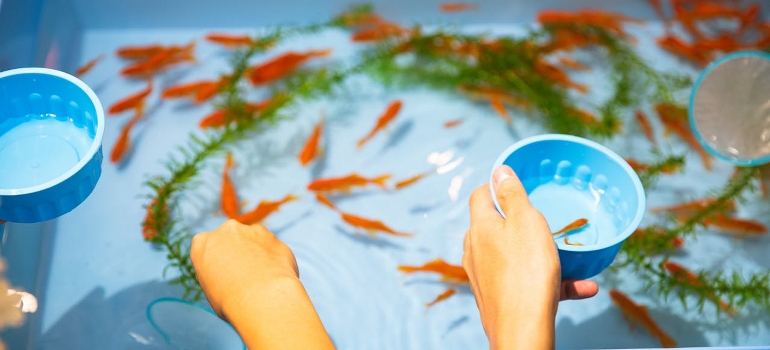
Fish are highly sensitive to environmental changes, making their preparation paramount. If you are coming from across the border, Canada to the US movers recommend refraining from feeding your fish 24 hours before the move to reduce waste production during transit. Use clean, lidded plastic tubs or buckets filled halfway with tank water to transport fish. For longer journeys, consider battery-operated air pumps to maintain oxygen levels. Separating aggressive or larger fish into individual containers can prevent conflicts. It’s also advisable to monitor water temperature closely, as fluctuations can stress the fish. Maintaining a stable environment during transit is crucial for their well-being.
Steps for preparing fish and aquatic life for transport
Reducing stress and maintaining water quality are critical when moving live fish.
- Stop feeding fish 24 hours before the move to reduce waste.
- Use original tank water in transport containers.
- Keep aggressive species separate to prevent injuries.
- Maintain stable temperatures with heat packs if necessary.
- Limit sudden movements to keep fish calm.
Disassembling and packing aquarium equipment
Properly handling your aquarium equipment ensures its functionality post-move. Unplug the heaters and allow them to cool for about 30 minutes before removal. Wrap them in bubble wrap or towels to prevent damage. Filters should be kept moist by placing them in sealed bags with tank water, preserving beneficial bacteria essential for your tank’s ecosystem. Remove and pack decorations separately. For large tanks, it’s advisable to remove the substrate to lighten the load and prevent structural strain. Labeling each component facilitates easier reassembly. Collaborating with packers and movers in Sudbury can streamline this process, ensuring each item is handled with care.
How to dissasemble and pack aquarium equipment
Properly storing equipment prevents damage and ensures a smooth reassembly.
- Unplug and allow the heaters to cool before packing.
- Place filter media in a sealed container with tank water.
- Wrap fragile equipment like lights and thermometers in bubble wrap.
- Remove and dry decorations before storing them.
- Label all parts for easy setup at the new location.
Transporting the aquarium safely
An empty tank is fragile and requires meticulous handling. Position the tank on a flat, stable surface in the vehicle, ensuring it’s the last item loaded and the first unloaded. Use blankets or foam to cushion the tank, protecting it from vibrations and shocks during transit. Sudbury’s climate can be unpredictable; if moving during colder months, ensure the vehicle is adequately heated to prevent temperature shocks to any remaining water or equipment. For longer relocations, consulting long distance movers in Sudbury ON can provide additional strategies to safeguard your aquarium.

Safe transportation of an aquarium
Transporting an aquarium requires careful handling to avoid cracks or leaks.
- Drain the tank completely to prevent structural damage.
- Wrap the glass with thick blankets or foam padding.
- Secure the tank upright on a flat surface.
- Keep the vehicle at a stable temperature during transit.
- Load the tank last and unload it first at the new home.
Setting up the aquarium in the new location
Once at your new home, choose a level surface away from direct sunlight or heating vents to place the tank. This positioning prevents algae growth and temperature fluctuations. Reassemble equipment in the reverse order of disassembly, and reintroduce decorations and substrate carefully. Use the preserved tank water to refill the aquarium, topping up with dechlorinated tap water as needed. Before reintroducing fish, ensure all equipment functions correctly and water parameters are stable. Engaging with furniture movers in Sudbury can assist in positioning heavy tanks securely.
Steps for setting up an aquarium
Positioning and stabilizing the tank correctly prevents future problems.
- Place the tank on a level, sturdy surface.
- Avoid direct sunlight to prevent algae growth.
- Set up the filtration and heating system before adding water.
- Use existing tank water to maintain water chemistry.
- Wait 24 hours before reintroducing fish.

Acclimating fish after the move
Reintroducing fish requires patience. Float the fish containers in the tank for about 30 minutes to equalize temperatures. Slowly add small amounts of tank water to the fish containers over 15-minute intervals, helping fish adjust to any slight changes in water chemistry. After acclimation, gently net the fish into the tank, minimizing stress. Observing their behavior closely during this period can help identify any signs of distress or illness, allowing for prompt intervention if necessary.
Acclimating fish to their new environment
A gradual reintroduction process reduces stress and increases survival rates.
- Float transport bags in the tank for temperature adjustment.
- Slowly add new tank water to the fish container over 30 minutes.
- Monitor fish behavior for signs of stress or illness.
- Release fish gently into the tank with minimal handling.
- Keep the lights dimmed for the first few hours.
Local water conditions in Sudbury
Sudbury’s tap water quality is generally high, but it’s essential to verify specifics. Test for pH, hardness, chlorine levels, and any potential contaminants. Sudbury’s water reports indicate that the water meets or exceeds safety standards, but individual parameters can vary. Use appropriate conditioners to neutralize chlorine or chloramine. If the water’s hardness or pH differs significantly from your previous location, consider using buffers or remineralizers to achieve the desired levels. Understanding local water conditions ensures a stable environment for your aquatic life.
Understanding Sudbury’s water conditions
Local tap water may require adjustments before being safe for fish.
- Test for pH, hardness, and chlorine levels.
- Use a dechlorinator to remove harmful chemicals.
- Compare new water parameters with previous tank conditions.
- Adjust water chemistry gradually to prevent fish stress.
- Perform small water changes to ease the transition.
Common challenges of moving an aquarium in winter
Sudbury’s winters can be harsh, presenting unique challenges. Use insulated containers for transporting fish to maintain stable temperatures during transit. Portable heaters or heat packs can help prevent temperature shocks. Warm up the vehicle before loading the aquarium and fish to prevent exposure to cold air. Ensure pathways are cleared of snow and ice to prevent slips or accidents while carrying heavy equipment. Being prepared for winter-specific challenges ensures a smoother move.
How to move an aquarium in cold weather
Cold weather poses additional risks for transporting an aquarium in Sudbury.
- Insulate fish containers to prevent temperature drops.
- Preheat the vehicle before loading fish and equipment.
- Avoid exposing the tank to cold air for extended periods.
- Use hand warmers or heat packs for tropical species.
- Clear snow and ice from pathways for safe transport.
Post-move tips
After setting up, regularly check ammonia, nitrite, and nitrate levels to ensure the biological filter is functioning properly. Sudden spikes in these levels can indicate a disruption in the tank’s ecosystem. Using a high-quality test kit can help monitor these parameters daily for the first week. Fish behavior is another critical indicator of post-move stability. Lethargy, erratic swimming, or loss of appetite can signal stress or water quality issues. If these symptoms persist, conduct a partial water change of about 20-30% to dilute any harmful substances. Resume regular feeding schedules gradually. Overfeeding immediately after a move can lead to increased waste and ammonia buildup. Instead, start with small portions and observe how the fish respond. If any fish show signs of illness, isolate them in a quarantine tank to prevent potential disease spread.
Post-move aquarium maintenance
Monitoring water quality and fish health after the move prevents issues.
- Test ammonia and nitrate levels daily for the first week.
- Observe fish for unusual behavior or signs of illness.
- Resume feeding in small amounts after 24 hours.
- Perform partial water changes if parameters fluctuate.
- Allow the tank’s biological system to stabilize before adding new fish.
Ensuring a smooth move when moving an aquarium in Sudbury
Moving an aquarium in Sudbury is more than just transporting a glass tank. Fish are highly sensitive to changes in water conditions, temperature, and movement, making every step of the process crucial. The right planning and reliable specialty movers in Sudbury help minimize stress, prevent health issues, and ensure a successful transition. Using insulated containers, maintaining water stability, and slowly reintroducing fish can make all the difference. After setting up the tank, testing water parameters is essential. Even small changes in pH or ammonia levels can cause problems. Equipment should be checked, filters restarted, and fish closely monitored for signs of stress. It may take days or even weeks for the tank’s ecosystem to fully stabilize. A well-planned move protects both your fish and the time, effort, and money invested in your aquarium.


Hired to move my parents. Asked for 2 movers (3 showed up!) and all were friendly, polite, and incredibly hard working. Very careful with fragile items and more then competent with big, heavy furniture.
f Hongell