 705-560-2000
Relocating in short winter days: What you need to know about moving in the dark
Get Your Free Estimate
"*" indicates required fields
Moving in winter presents enough challenges, but short days make everything harder. In Sudbury, the sun sets around 4:30 PM in the winter, leaving you with only about eight hours of daylight. That means most of your move will happen in the dark. Poor visibility, icy roads, and freezing temperatures add to the stress. A lack of light increases the risk of injuries and slows down the entire moving process. The best movers in Sudbury have experience relocating in short winter days, but if you’re managing it yourself, you’ll need a strategy. The right preparation can save you time, money, and frustration.
How can you plan around the short daylight hours?
Winter days in Sudbury offer limited natural light. That means you have a small window to get everything done efficiently. Moving without enough daylight leads to delays and accidents. You need a detailed timeline to avoid working late into the freezing night. Commercial movers in Sudbury understand this and schedule moves to take full advantage of the available light. Start loading the moving truck as soon as possible. Plan for large furniture and heavy lifting in the morning. Once it gets dark, moving bulky items becomes dangerous. Shadows can hide tripping hazards, and icy surfaces become harder to spot.
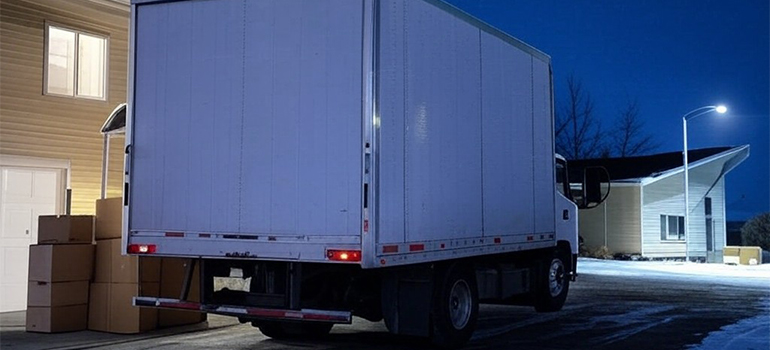
If your move takes longer than expected, you may find yourself unloading in complete darkness. That can delay unpacking and force you to spend more money on hotel stays or rental truck extensions. A moving truck rental costs about $40 to $100 per day in Sudbury, plus fuel and mileage fees. If you need it for an extra day due to delays, that’s another expense on top of your moving budget. Hiring professional movers for a daytime move may cost more upfront, but it prevents late-night mishaps that could result in costly property damage or medical bills.
Why is it important to keep an emergency kit for a winter night move?
Breakdowns or unexpected delays in winter can turn into serious problems. Packers and movers in Sudbury suggest keeping an emergency kit ready to deal with extreme cold, slippery roads, and power failures. A proper winter emergency kit should include:
- Thermal blankets ($20 to $50 each) to prevent hypothermia.
- A portable phone charger ($25 to $100) to keep communication available.
- A first aid kit ($30 to $70) in case of minor injuries.
- Extra batteries ($10 to $30 per pack) for flashlights and LED work lights.
- Non-perishable snacks ($5 to $20) to stay energized during delays.
If you’re using a moving truck, keep at least half a tank of gas to avoid getting stranded. Cold weather reduces fuel efficiency, so you may burn through gas quicker than expected. Also, pack an ice scraper ($10 to $25) and a small bag of sand or cat litter ($10 to $20) to improve tire traction if the vehicle gets stuck. Winter breakdown services in Sudbury cost between $100 and $250, depending on the distance of the tow. Being prepared can save you from calling roadside assistance and facing unnecessary costs.
What kind of lighting do you need to move in the dark?
Moving after sunset requires artificial lighting. Poor visibility increases the risk of injuries and property damage. You need bright, portable lighting to work efficiently. Residential movers in Sudbury ON highlight the importance of using high-quality LED work lights. These provide strong illumination and last longer than traditional bulbs. A good rechargeable LED work light costs around $30 to $80. Battery-operated floodlights with motion sensors range from $50 to $150. Headlamps are another option, priced at $20 to $60.
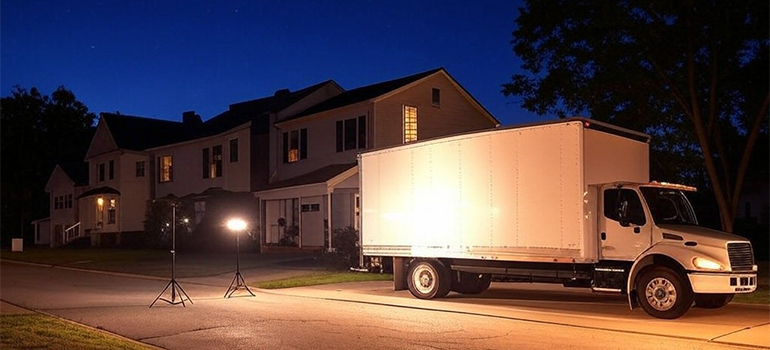
Using multiple light sources ensures every area remains well-lit. Position floodlights around entryways, driveways, and the truck’s loading area. Clip-on LED lights inside the truck make organizing and unloading easier. Power cords may not reach all outdoor areas, so invest in battery-powered options. Keep spare batteries on hand since the cold drains power faster. For homes with no electricity yet, portable generators can provide lighting. Renting a generator in Sudbury costs $50 to $150 per day, depending on wattage.
How can you keep the interior of the moving truck well-lit?
A poorly lit moving truck slows down the process. You can’t see where things are going, making it easy to misplace or damage fragile items. Furniture movers in Sudbury recommend using portable LED work lights or rechargeable floodlights to illuminate the inside of the truck. Battery-operated LED floodlights range from $40 to $150, depending on brightness and battery life. Headlamps, which cost $20 to $60, are a hands-free option for movers working inside the truck.
Clip-on utility lights, priced around $15 to $40, help light up specific areas of the cargo space. If your truck has a power outlet, plug-in work lights can provide continuous lighting, but not all rentals come equipped with one. Temperature can also affect battery life. In extreme cold, battery-powered lights may last 50% less than in normal conditions. Always keep extra batteries or a power bank available. If you’re renting a moving truck, check if it has an interior cargo light before loading. Some older models don’t include them, making external lighting essential.
How can you safely navigate in the dark?
Navigating in low light requires extra precautions. Walkways, stairs, and driveways become harder to see. Snow and ice add another layer of danger. Local movers in Sudbury point out that proper preparation prevents accidents. Marking hazards is essential when moving at night. Use reflective tape on stair edges, railings, and doorways. Glow sticks or solar-powered garden lights can outline safe walking paths. Orange construction cones, which cost about $10 to $30 each, help mark off icy areas.

Spreading sand or salt before the move improves traction. A 25kg bag of salt costs around $10 and covers a large area. Keep extra bags on hand in case the ground refreezes. If you’re moving furniture at night, ensure hallways and staircases remain clear. Heavy furniture can block exits and create dangerous blind spots. Keep a flashlight or headlamp on at all times. Test outdoor lighting the day before to ensure bulbs work properly.
How can you prevent slips and falls when relocating in short winter days?
Relocating in short winter days comes with icy walkways and slippery surfaces. Moving in the dark makes them even more dangerous. Long distance movers in Sudbury ON remind you to take extra steps to prevent injuries. Falls are one of the most common moving injuries, especially in winter. A single fall can result in fractures or sprains, adding medical costs to your moving budget. A hospital visit in Sudbury costs $100 to $1,000 depending on treatment. Preventing falls is cheaper than dealing with injuries. Wear slip-resistant boots with deep treads.
Good winter boots cost between $80 and $200, but they’re worth the investment. Lay down non-slip mats in high-traffic areas. These cost around $20 to $50 each and can be reused. Shovel snow and apply de-icer before moving starts. A basic snow shovel costs $30 to $70, and liquid de-icer is about $15 per bottle. If paths remain too icy, consider using traction aids like Yaktrax, which attach to boots and improve grip. They cost $25 to $50 and provide extra stability on ice. Keeping a sturdy handrail available helps movers balance while carrying heavy loads.
Why should you double-check addresses and directions?
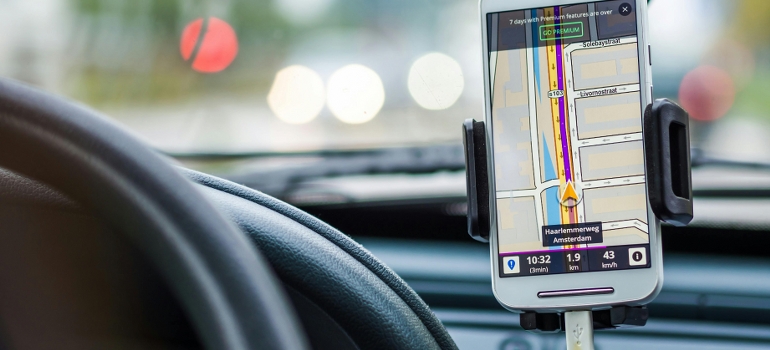
Navigating Sudbury’s streets while relocating on short winter days is challenging. Snow-covered road signs, poor lighting, and icy roads slow travel time. International movers in Sudbury ON advise checking directions before departure. A winter move may involve rerouting due to snow-covered roads or accidents. GPS systems don’t always update road conditions in real time. Have a printed backup map in case your phone loses signal or battery power. Cold weather drains phone batteries faster, so keep a car charger or portable battery pack on hand. If you’re using a moving company, confirm the exact address and provide clear instructions. A mix-up could mean delays or extra charges. If driving a rental truck, test headlights and wipers before departure. Visibility is already poor in winter, and faulty equipment makes it worse.
How can you stay warm while moving at night?
Sudbury’s winter temperatures drop fast after sunset. It often reaches -20°C (-4°F) or lower at night. Hypothermia and frostbite become real risks during a night move. Dress in layers and keep warm drinks nearby. Thermal clothing provides insulation and costs around $50 to $150 per set. Heated gloves, priced at $40 to $100, help maintain dexterity while handling boxes. Hot beverages like coffee or tea keep body temperatures stable. Investing in a quality thermos, which costs $20 to $50, ensures drinks stay warm for hours. If using a rental truck, check that the heater works. Vehicles left idle in extreme cold can struggle to restart. Having an emergency blanket inside the truck helps in case of unexpected delays.
How can you dress for cold nights and wind chill?
Relocating in short winter days in Sudbury means dealing with freezing temperatures. Wear layered clothing to stay warm and flexible. Cold exposure slows you down, making the move take longer. The wind chill in Sudbury can make -10°C (14°F) feel like -20°C (-4°F) at night. Without proper gear, fingers and toes go numb quickly, increasing the risk of frostbite. Thermal base layers cost between $50 and $150 per set and help trap body heat. Waterproof, insulated gloves, which range from $30 to $90, keep hands warm while handling cold metal and heavy boxes.
Investing in high-quality winter boots is essential. A solid pair with deep traction costs $100 to $250. Wearing multiple layers—such as a sweat-wicking base, fleece mid-layer, and windproof outer shell—keeps your body insulated while allowing movement. Heated jackets, available for $150 to $300, provide extra warmth and help prevent stiffness when lifting furniture. Staying warm isn’t just about comfort. If you’re exposed to cold for too long, your reaction time slows, making injuries more likely. Warm gear prevents fatigue, keeps you alert, and ensures a safer move.
Why should you test utilities before moving in the dark?
Moving into a home with no electricity, heating, or water is a nightmare. Confirm all utilities are active before arriving at your new place. Call utility providers at least five days before moving to ensure services are connected. Reconnection fees in Sudbury range from $50 to $150 for electricity and $40 to $100 for water. If the previous tenant disconnected gas service, reconnection may take longer, leaving you without heat for the first night.
A home without heat can drop to -10°C (14°F) or lower overnight, especially in January and February. That can lead to frozen pipes, making it impossible to use the plumbing. If heat isn’t available, bring a portable space heater ($50 to $200) and extra blankets ($30 to $80 per set) to stay warm. Having utilities set up ahead of time allows you to move in comfortably. A properly heated home prevents damage to delicate furniture, electronics, and appliances. LCD screens can freeze, and wooden furniture may warp in extreme cold.
Final thoughts on relocating in short winter days
Moving in winter is never easy, but darkness adds another challenge. Relocating in short winter days requires careful planning, proper lighting, and safety precautions. Whether you’re handling the move yourself or hiring professionals, preparation is key. Testing equipment, dressing warmly, and securing well-lit pathways can prevent accidents. If time runs out, pushing some tasks to the next morning may be the best option. A night move doesn’t have to be a struggle if you take the right precautions.


Hired to move my parents. Asked for 2 movers (3 showed up!) and all were friendly, polite, and incredibly hard working. Very careful with fragile items and more then competent with big, heavy furniture.
f Hongell