 705-560-2000
What are the best ways to move in the snow?
Get Your Free Estimate
"*" indicates required fields
Winter brings unique challenges for moving, but with careful preparation, the process can go smoothly. Snow, ice, and freezing temperatures require specific strategies to keep your belongings safe and ensure everyone involved remains unharmed. Even the best movers in Sudbury recommend taking extra precautions when you need to move in the snow. Below are detailed sections covering all critical aspects of preparation, packing, and executing a safe move during winter.
Check the weather forecast
Monitoring the weather forecast is a non-negotiable step when you move in the snow. Use trusted weather apps and local news for updates, paying attention to snowfall predictions, icy conditions, and wind speed. Start tracking a week before your move to spot trends and ensure you can adapt your plans if necessary. Snowstorms can cause road closures or delays, so having a flexible schedule is crucial. If heavy snow is forecasted, reschedule for a safer day or time. Commercial movers in Sudbury suggest confirming road conditions with local authorities if you’re traveling long distances. Always have a contingency plan, including alternative routes and backup moving dates.

Why should you hire professional movers?
Professional movers bring the expertise and equipment needed for a safe winter move. They’re trained to handle icy walkways, heavy snow, and slippery stairs, reducing the risk of accidents. Their vehicles are also winter-ready, with snow tires and proper tools for navigating challenging roads. Residential movers in Sudbury ON advise hiring experts who can manage fragile and heavy items with care, especially in extreme weather. Professionals save you time and ensure your belongings are transported safely, even in difficult conditions.
Clear driveways and walkways
Clearing snow and ice from pathways is one of the most important safety measures during a winter move. Use a snow shovel or snowblower to clear all driveways, walkways, and steps leading to your home. Spread salt to melt ice and sand for added traction on slippery areas. Check and reapply salt or sand throughout the day, especially if snow continues to fall. Local movers in Sudbury recommend using eco-friendly de-icers to protect landscaping while keeping pathways safe. Additionally, clear enough space for movers and vehicles to maneuver without slipping or falling.
What should you wear for a winter move?
Dressing appropriately for winter conditions ensures your comfort and safety during the move. Wear layered clothing that you can adjust as you move between indoor and outdoor tasks. Waterproof boots with slip-resistant soles are essential to prevent falls. Gloves should provide both warmth and dexterity to help you grip boxes and furniture securely. A hat and scarf protect against wind chill, while thermal socks keep your feet warm during long hours outside. Remember to pack extra clothes in case anything gets wet.
Why are winter tires necessary?
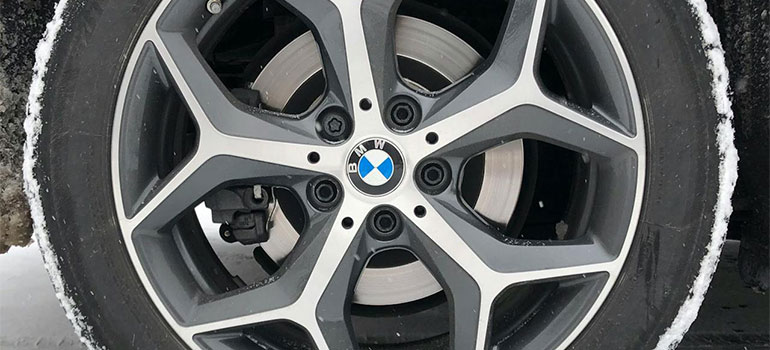
Winter tires are designed to provide better traction and control on snowy and icy roads. Equip all moving vehicles with winter tires to reduce the risk of skidding during transit. Check tire pressure, as cold weather often causes it to drop. Properly inflated tires maintain better contact with the road, improving stability. Carry an emergency kit in the vehicle, including jumper cables, a flashlight, and a bag of sand or salt for traction. Long distance movers in Sudbury ON emphasize the importance of winter-ready vehicles for safe transportation.
How can you prepare your vehicle for winter moving?
Preparing your vehicle is critical for a successful winter move. Start by installing snow tires or chains, which provide superior grip on icy roads. Check your tire pressure, as it drops in colder weather, and keep it at the manufacturer’s recommended level. Inspect your windshield wipers and replace them if they show signs of wear, as clear visibility is essential in snow and sleet. Stock your vehicle with winter essentials. This includes a snowbrush, ice scraper, extra windshield washer fluid, and a small shovel for clearing snow if your vehicle gets stuck.
Carry a bag of sand or cat litter to provide traction if your wheels spin on icy surfaces. Make sure your gas tank is at least half full at all times to prevent fuel line freezing. Consider having your battery tested before moving day, as cold weather reduces its efficiency. If you’re traveling long distances, plan your route around well-maintained highways and avoid smaller roads that may not be plowed. These preparations ensure your vehicle is ready to handle winter’s challenges, keeping your move on schedule.
How can you protect your belongings from moisture?
Snow and slush are constant threats to your belongings during a winter move. Use plastic bins instead of cardboard boxes for items that are especially sensitive to moisture. Wrap furniture in moving blankets and cover them with plastic sheeting to create a waterproof barrier. Electronics should be packed with anti-static bubble wrap and sealed tightly in waterproof containers. International movers in Sudbury ON highlight the importance of using silica gel packets to absorb moisture in boxes containing delicate items. These simple precautions prevent water damage and protect your valuables.
What should you pack separately?
Packing essentials separately ensures you’re prepared for unexpected delays or emergencies. Include items like gloves, hats, blankets, snacks, and a first-aid kit in an easily accessible bag. If you’re moving with pets or children, pack their essentials separately as well. Keep shovels, salt, and sand within reach in case you need to clear additional pathways or gain traction. Packers and movers in Sudbury recommend preparing a separate box with warm drinks and extra clothing to keep everyone comfortable during the move.

Why is labeling fragile items important?
Cold temperatures can make certain materials, like glass and ceramics, more brittle and prone to breaking. Label fragile items clearly so they receive extra care during handling. Use plenty of padding, such as bubble wrap or foam sheets, to protect these items from impact. Place fragile boxes on top of heavier ones in the moving truck to avoid crushing. Furniture movers in Sudbury suggest inspecting these items as soon as they’re unloaded to address any damage immediately.
Why should you start early?
Winter days are shorter, and starting early ensures you maximize available daylight. Load and transport items in the morning to avoid working in the dark, which increases the risk of accidents. Starting early also gives you extra time to deal with unexpected delays, such as traffic or snow-covered roads. If possible, complete outdoor tasks before temperatures drop further in the evening. This approach keeps the move on schedule and reduces stress.
Some equipment can make moving easier
Proper equipment is essential for a safe and efficient winter move. Dollies with rubber wheels provide better grip on icy surfaces, making it easier to move heavy items. Moving straps help secure large pieces of furniture, reducing the risk of them slipping or tipping over. Sleds can be used to transport boxes across snowy yards. Furniture movers in Sudbury recommend using padded blankets to protect items from cold surfaces and scratches.
What equipment to use?
Specialized equipment is essential for navigating snowy conditions during a move. Dollies with rubber wheels offer excellent traction on icy surfaces, making it easier to transport heavy items like appliances and furniture. Sleds are another great tool for moving boxes across snowy or uneven terrain. They distribute weight evenly, reducing strain and the risk of tipping. Moving straps are indispensable for securing bulky items. Adjustable straps help you carry heavy furniture without putting too much pressure on your back or risking a slip.
For protecting floors inside your home, use plastic runners or mats to minimize damage from wet or muddy boots. Keep a sturdy snow shovel and de-icing salt close by during the move. Reapply salt as needed, especially if fresh snow starts to accumulate. For trucks, use ratchet straps to secure items in place and prevent them from shifting during transit. These tools not only make the process more efficient but also significantly reduce the risk of injury or damage to your belongings.
Drive safely in the snow
Driving during a winter move requires extra caution. Reduce your speed to maintain control on icy roads and avoid sudden braking, which can cause skidding. Leave extra space between your vehicle and others to allow for longer stopping distances. Stick to main roads that are more likely to be plowed and salted. If you’re traveling long distances, plan stops to check the vehicle and ensure everything remains secure. Always communicate any delays or changes in your route to your moving team.
How should you adjust driving for snowy conditions?
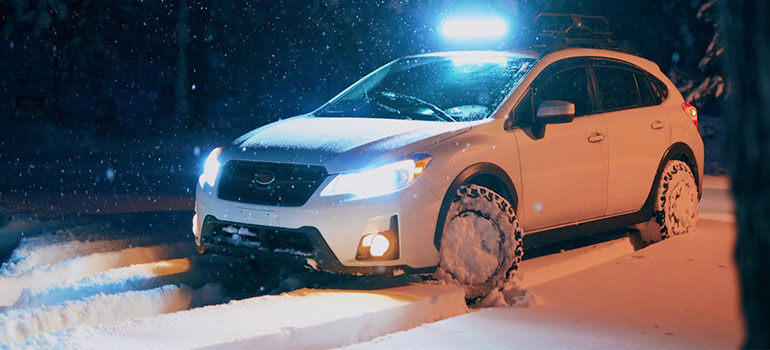
Driving in snowy conditions requires patience, preparation, and heightened awareness. Reduce your speed to maintain better control on icy roads and allow for longer stopping distances. Avoid sudden braking, accelerating, or sharp turns, as these can cause skidding. Instead, use gentle, gradual movements to maintain stability. Stick to main roads and highways, as these are more likely to be plowed and salted. Plan your route in advance, avoiding steep inclines or poorly maintained side streets. Keep an emergency kit in your vehicle, including jumper cables, blankets, a flashlight, and extra water.
When parking the moving truck, choose a flat, cleared surface to avoid sliding or getting stuck. If you encounter a patch of ice, sprinkle sand or cat litter under the tires to improve traction. Ensure the truck’s load is evenly distributed to prevent swaying during transit. These adjustments make driving safer, ensuring you and your belongings reach your destination without incident.
Why should you load heavy items first?
Loading heavy items first creates a stable base in the moving truck. Distribute weight evenly to prevent the vehicle from tipping or becoming unbalanced during transit. Secure large items with straps to minimize shifting while driving. Place lighter and more fragile items on top to protect them from being crushed. This method not only protects your belongings but also improves the vehicle’s handling on icy roads.
Stay hydrated and take breaks
Moving in cold weather is physically demanding, and staying hydrated is essential to maintain your energy. Dehydration is still a risk in winter, even if you don’t feel thirsty. Schedule regular breaks to rest, warm up, and reassess your progress. Use these moments to check on your moving team and address any concerns, like icy paths or shifting loads. These breaks ensure everyone stays safe and focused.
Why is rushing a bad idea?
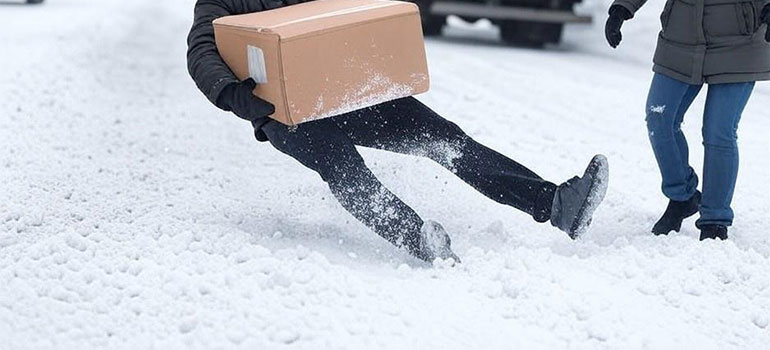
Moving quickly in snowy conditions increases the risk of accidents, from slips and falls to damaged items. Take deliberate steps when carrying heavy or fragile items, and use equipment like dollies to reduce strain. Communicate with your team to ensure everyone works at a safe pace. Clearing obstacles and double-checking paths prevent unnecessary delays caused by accidents. Remember, safety comes before speed.
How can communication improve the move?
Clear communication keeps everyone on the same page and prevents misunderstandings. Discuss the plan for the day, including tasks, routes, and potential hazards. Use walkie-talkies or phones to stay connected, especially if team members are working in different areas. Regular updates ensure everyone knows about route changes, delays, or other adjustments. This teamwork makes the move smoother and reduces stress.
Move in the snow confidently
A successful move in the snow requires preparation, careful packing, and safe practices throughout the process. Each step, from checking the weather to dressing appropriately, contributes to a safer experience. Even the best movers in Sudbury recommend following these detailed tips to handle snowy conditions effectively. With the right strategies, moving in the snow becomes manageable, ensuring your belongings and your team arrive safely at your new destination.


Hired to move my parents. Asked for 2 movers (3 showed up!) and all were friendly, polite, and incredibly hard working. Very careful with fragile items and more then competent with big, heavy furniture.
f Hongell